
Workplace injuries can happen in many ways, but one common cause that often goes overlooked is faulty equipment. Whether it's a broken ladder, a machine that malfunctions, or a power tool that shorts out, defective equipment can lead to serious injuries. If you work in Louisiana and were hurt because of a piece of equipment that didn't work right, it's important to understand your rights and what steps to take next.
This guide breaks it down in clear language, while still giving you the legal background you need.
What Is Faulty Equipment?
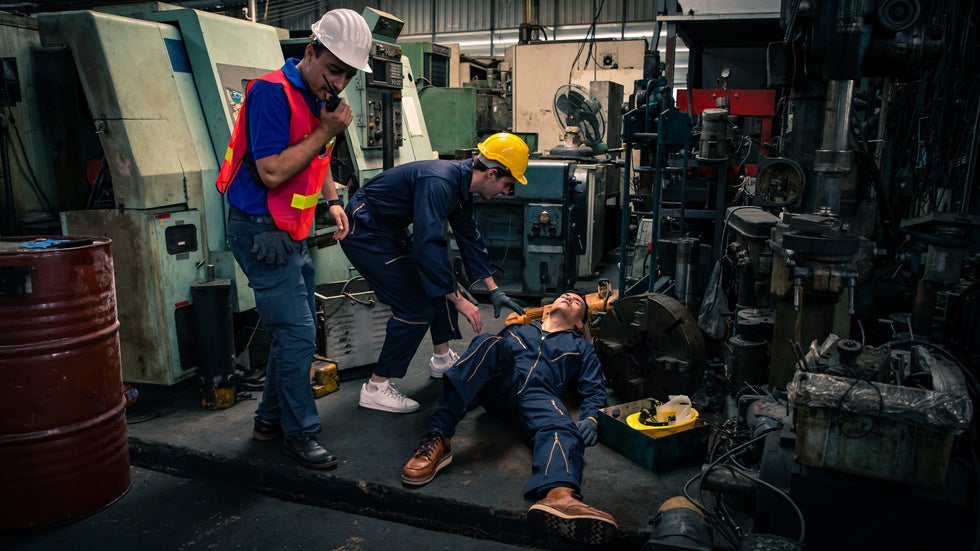
Faulty equipment is any tool, machine, or device that is unsafe because it doesn't work the way it's supposed to. It could be:
- A power saw with a missing safety guard
- A forklift with a broken brake
- A ladder that has worn-out parts
- A conveyor belt with bad wiring
- A harness that's torn or improperly installed
Faulty equipment can be the result of a manufacturing defect, poor maintenance, or just old age and wear. The key issue is this: the equipment should have been safe for you to use—and it wasn't.
What the Law Says About Employer Responsibility
Under Louisiana law, employers are required to provide a reasonably safe workplace. This includes maintaining tools and equipment in safe condition. If a piece of equipment is broken or dangerous, your employer should repair it, replace it, or make sure you don't use it until it's safe.
If you are injured while using equipment on the job—even if the injury was partly your fault—you are usually covered by Louisiana's workers' compensation system. This is a no-fault system, which means you aren't required to show your employer was at fault to get benefits.
However, workers' compensation won't always cover all your losses, and it doesn't allow for pain and suffering. That's why it's also important to know when a third party—like the equipment manufacturer—might be responsible.
What to Do Right After the Injury
If you get hurt using faulty equipment at work, here are the steps you should take:

1. Get Medical Help
Always get checked out by a doctor, even if the injury seems small at first. You have the right to choose your own doctor under Louisiana Revised Statutes § 23:1121(B). Make sure to explain that the injury happened at work and describe how the equipment failed.
2. Report the Injury
Tell your supervisor or employer right away. Louisiana law gives you 30 days to report a work injury (see Louisiana Revised Statutes § 23:1301). If you wait too long, you could lose your right to benefits. Try to give the report in writing and keep a copy.
3. Take Notes and Photos
If you're able, take pictures of the equipment that injured you. Write down what happened while it's still fresh in your mind. If anyone saw what happened, get their names and contact information. This kind of documentation can help support your case later on.
How Workers' Compensation Can Help
Workers' compensation in Louisiana can pay for:
- Medical treatment
- Lost wages (usually about two-thirds of your average pay, under Louisiana Revised Statutes § 23:1221)
- Vocational training if you need to switch careers
These benefits are helpful, but they don't cover everything. You won't be paid for pain, stress, or loss of enjoyment in life. That's why it's important to also look at whether someone besides your employer may be legally responsible.
Can You Sue the Equipment Manufacturer?
In some cases, yes. If the equipment was poorly made, designed wrong, or didn't come with proper warnings, the manufacturer might be at fault. This is known as a product liability claim.
Louisiana's product liability law is found in the Louisiana Products Liability Act (Louisiana Revised Statutes § 9:2800.51 – § 9:2800.59). Under this law, you can sue the manufacturer if the product was unreasonably dangerous in design, construction, or because of missing warnings.
This kind of lawsuit can allow you to recover for:
- Pain and suffering
- Full lost wages
- Future medical care
- Other long-term effects of the injury
Unlike workers' compensation, a personal injury lawsuit lets you seek full compensation for all your damages.
Don't Sign Anything Without Legal Advice
Sometimes insurance companies or employers will ask you to sign papers or accept a settlement. It's a good idea not to agree to anything until you've spoken with a workers' compensation lawyer. Louisiana law requires court approval before workers' compensation settlements can be finalized (Louisiana Revised Statutes § 23:1271), and signing too early could mean giving up your right to future benefits or claims.
Slidell Louisiana Faulty Equipment Injury Lawyer
If you were injured on the job because of faulty equipment, you probably have questions about your rights, your job, and your medical care. In Louisiana, you have legal options—including workers' compensation and potentially a lawsuit against the equipment manufacturer. Each case is different, and the law can be complicated.
At Delsa Law Firm, LLC, we help injured workers in Slidell and across Louisiana figure out what's best for them. Attorney Delsa will look at your case, explain your rights under Louisiana law, and help you move forward. Whether it's filing a claim, dealing with insurance, or taking legal action, we're here to help.
Contact Delsa Law Firm, LLC workers' compensation lawyers by calling (985) 882-1222 or contacting us online for a free consultation.
Comments
There are no comments for this post. Be the first and Add your Comment below.
Leave a Comment